Protect, restore and promote sustainable use of terrestrial ecosystems, sustainably manage forests, combat desertification, and halt and reverse land degradation and halt biodiversity loss
SDG 15 Report 2024
Universitas Indonesia Implements Policies on Sustainable Use, Conservation, and Restoration of Land, Includes Local Biodiversity in Planning and Development
Universitas Indonesia has an explicit policy framework that guarantees the conservation, restoration, and sustainable use of terrestrial ecosystems associated with the university, with specific instruments for urban forests, biodiversity protection, and campus land‑use planning. These policies are enacted through rectoral decrees, a campus master plan, and a biodiversity regulation that together guide conservation, restoration, and sustainable use on UI lands.
Universitas Indonesia’s approach to sustainability in land use is anchored in formal policies that designate campus areas for conservation and sustainable management. This includes include the Rector’s Decree No. 84 of 1988 which designates the development of the Universitas Indonesia Urban Forest as a site for education, research, germplasm collection, and water catchment; the Master Plan (as seen in Rector’s Decree No. 2446 of 2016) for the New Depok Campus; and the Rector’s Regulation No. 25 of 2023 on biodiversity conservation in the Universitas Indonesia area. Together these documents establish a clear institutional mandate to conserve, restore, and promote the sustainable use of terrestrial ecosystems linked to the university.
These policies are translated into concrete restoration and management actions across campus. One prime example is the Arboretum project which was started in 2024 under the guidance of the Universitas Indonesia Urban Forest Arboretum Master Plan. Faculties have also organized large planting drives, such as the 1,000‑tree planting at the Faculty of Humanities, and collaborative efforts to reintroduce endangered species and medicinal plants into the Universitas Indonesia Urban Forest as well as faculty gardens. Campus planning and facilities management coordinate with academic units to use species inventories and ecological assessments when approving building projects, ensuring that construction minimizes ecological footprint and supports restoration and sustainable use of local ecosystems.
By embedding local biodiversity into planning and development, UI links infrastructure growth to conservation outcomes and makes biodiversity a routine criterion in campus decision‑making. This integration ensures that development supports education, research, and community outreach while protecting and restoring the forests, watersheds, and green spaces that sustain campus biodiversity.
Universitas Indonesia Monitors IUCN and Other Conservation Species
Universitas Indonesia has explicit institutional policies that mandate the identification, monitoring and protection of IUCN Red‑Listed and nationally listed conservation species occurring in areas affected by the university’s operations. The Master Plan for the New Depok Campus (Rector’s Decree No. 2446/SK/R/UI/2016) establishes the spatial and functional framework that guides how campus lands are allocated for research, green open space, and ecosystem services, creating a policy foundation for species identification and habitat protection on university property.
An earlier rectoral instrument formally set aside campus areas for reforestation and urban forest development, giving operational effect to conservation policy. Rector’s Decree No. 084/SK/R/UI/1988 designates reforestation land and the development of the Universitas Indonesia UrbanForest, explicitly linking campus land to functions such as education, research, germplasm conservation and water catchment, and thereby enabling targeted actions to identify and protect species and habitats within those zones.
These planning and land‑use policies are complemented by on‑the‑ground management and monitoring of campus ecosystems. Universitas Indonesia has been zoned and studied as a long‑standing campus feature, and faculties and campus offices run inventories, planting programs and habitat rehabilitation that serve both research and conservation goals; these operational programs form the practical mechanism by which the university monitors species occurrences and habitat condition in areas affected by its operations.
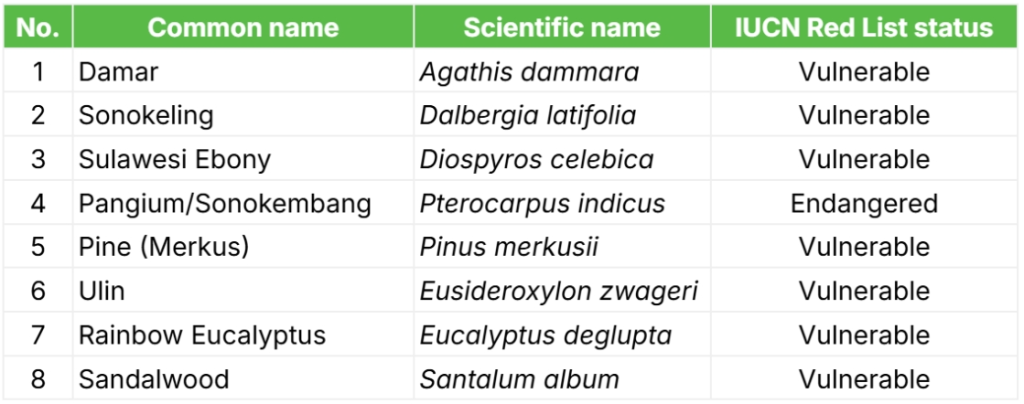
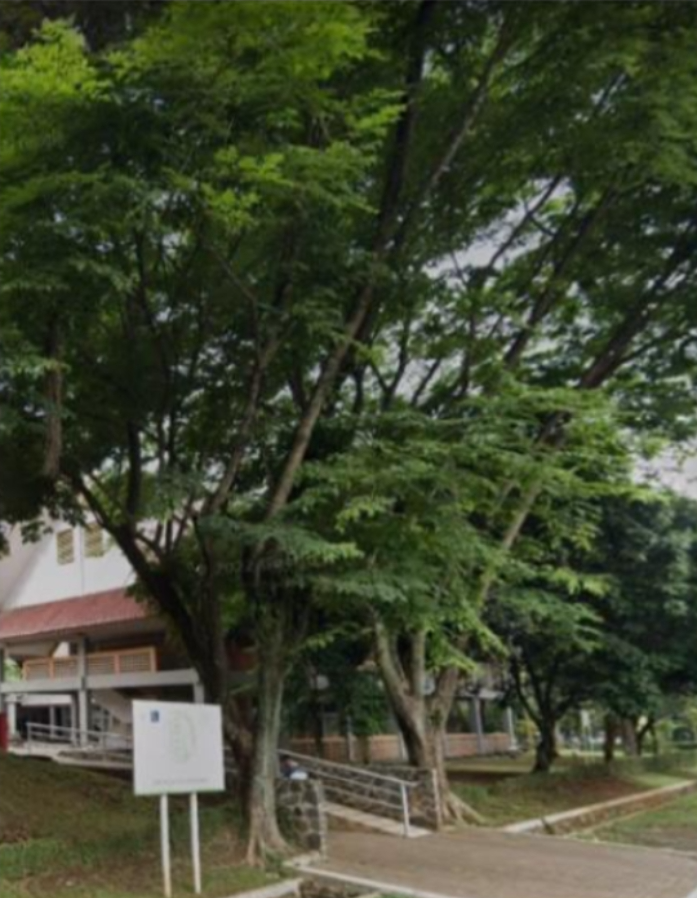
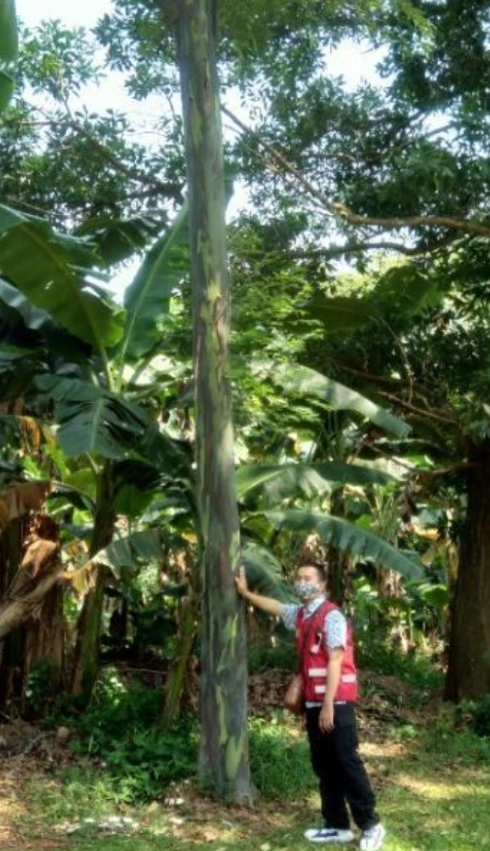
Most recently, the university has reinforced its biodiversity mandate through a dedicated biodiversity regulation that consolidates policy intent and links it to species‑level protection and monitoring. Rector’s Regulation No. 25 of 2023 on the Policy for the Conservation of Biodiversity in the UI area provides the explicit policy instrument to identify, monitor and protect IUCN Red‑Listed and nationally listed species. Universitas Indonesia currently houses a few vulnerable plant species on campus.
Reducing the Impact of Alien Species in the Universitas Indonesia Area
Universitas Indonesia has a definitive policy in place to reduce the impact of alien species within our campus grounds, supporting ecosystem protection. This policy is formalized in the Rector’s Regulation Number 25 of 2023 concerning the Policy for the Conservation of Biodiversity in the Universitas Indonesia area. This regulation specifically includes provisions for preventing the spread of alien invasive species and outlines control measures. This commitment demonstrates our proactive approach to managing and mitigating threats posed by non-native species to our native terrestrial ecosystems.