
How Universitas Indonesia Contributes to the Local Community through Outreach Projects
At Universitas Indonesia, we are deeply committed to extending the benefits of education, health, and social engagement beyond our campus and into the wider community. Our outreach projects are designed to empower local residents, strengthen social resilience, and foster inclusive development. These initiatives take many forms, ranging from educational tutorials and leadership training, to health literacy programs, community engagement activities, and information services.
Through collaborations across faculties and various internal and external stakeholders, we deliver programs that address pressing social needs, promote wellbeing, and build capacity among diverse groups. Whether through student-led initiatives, faculty-driven training, or institution-wide campaigns, our outreach reflects UI’s mission to serve society and contribute to sustainable development.
The following examples highlight how UI manages and delivers outreach projects that directly benefit the local community, demonstrating our role as a socially responsible institution.
In February 2025, the Faculty of Law at Universitas Indonesia (FHUI) carried out a community service program at the Class I Women’s Detention Center in Depok. This initiative focused on empowering female inmates through legal literacy training. The program provided participants with knowledge about their rights, access to justice, and practical legal information relevant to their daily lives.
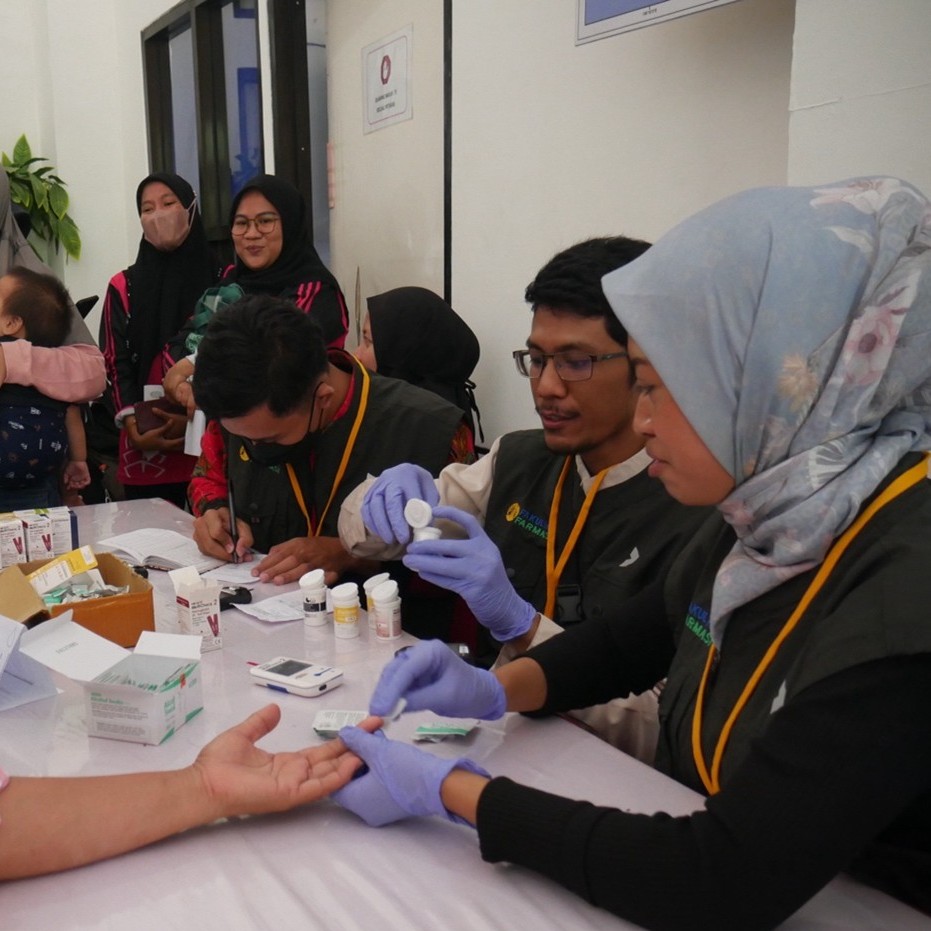
In July 2025, the Department of Periodontology at the Faculty of Dentistry, in collaboration with Universitas Bani Saleh and local hospitals, launched a community service program in Desa Pantai Harapan Jaya, Muara Gembong, Bekasi. The program introduced a web-based health application designed to educate and assist pregnant women and healthcare providers in preventing stunting from an early stage. Alongside the launch, the initiative provided direct training and health education for 150 participants, including local residents and expectant mothers. Activities included counseling on oral health during pregnancy, stress management for maternal wellbeing, and demonstrations of the application’s features such as pregnancy monitoring and medical reminders. Participants also received free health services, including dental check-ups, vital sign monitoring, blood sugar and uric acid tests, anemia screening, and ultrasound examinations.
In August 2025, the Graduate School of Sustainable Development held a community service program by providing training for women and micro, small, and medium enterprises (MSMEs) in Langkat, North Sumatra. In addition to training in digital product marketing and creating effective flyers, participants were also provided with cooking utensils and household equipment. This training provided digital marketing skills to 56 MSMEs in Langkat with approximately 350 employees.
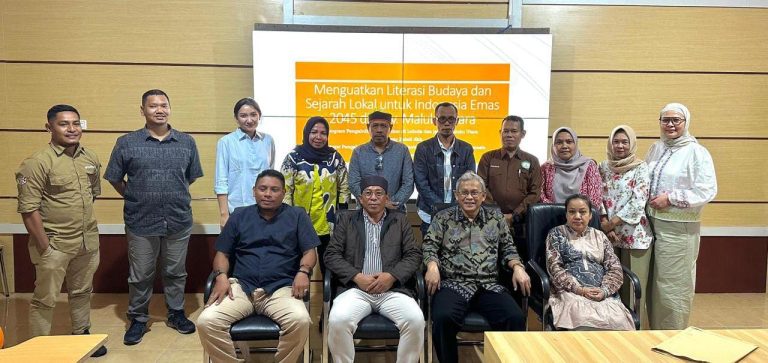
In October 2025, a team of researchers from UI collaborated with Universitas Khairun to conduct a community service program in Ternate, North Maluku. The initiative focused on strengthening cultural and historical literacy among local communities, particularly students. The program included workshops and discussions on local history, traditions, and cultural identity, aiming to instill pride and awareness of heritage while equipping participants with critical perspectives for the future.
In October 2025, UI’s Community Service and Empowerment Team of the Directorate of Community Service and Social Innovation and the UI Patriot Expedition Team Output 1 Melolo collaborated with Universitas Kristen Wira Wacana Sumba and local communities to organize the Festival Budaya Sumba in East Nusa Tenggara. This community service initiative was designed to preserve and promote local traditions and cultural heritage while strengthening intergenerational engagement. The festival featured cultural performances, traditional crafts, and workshops that highlighted the richness of Sumba’s local identity. Participants included students, faculty members, and community leaders, who worked together to showcase and sustain cultural practices. The program also emphasized the importance of cultural literacy to ensure that local traditions remain a vital part of national development.
In the same month, UI’s Vocational Education Program organized a community service initiative in Depok to promote clean and healthy living behavior among children. The program used an interactive snakes and ladders game as an educational tool, making health literacy engaging and accessible for young participants. Through play-based learning, children were taught the importance of hygiene, healthy habits, and disease prevention. The activity combined fun with practical knowledge, ensuring that participants could internalize key health messages while enjoying the process.